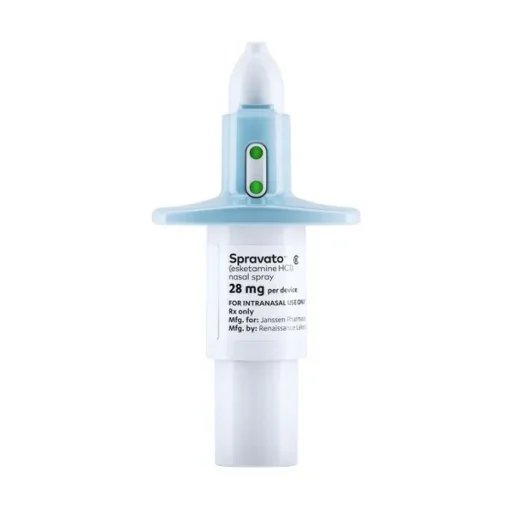
Ketamine Nasal Spray 28mg is a measured-dose intranasal formulation of ketamine designed for rapid absorption through the nasal mucosa. In the United Kingdom, ketamine is classified as a Class B controlled drug under the Misuse of Drugs Act 1971 and is regulated as a prescription-only medicine. Any formulation, including nasal sprays, must be prescribed by a qualified healthcare professional and used within a controlled clinical framework. This educational overview explains the clinical context, pharmacology, safety considerations, and regulatory status of ketamine nasal spray 28 mg in the UK. Ketamine Nasal Spray 28mg
What Is Ketamine Nasal Spray 28 mg?
A 28 mg ketamine nasal spray delivers a precise amount of ketamine per device or dosing session, depending on how it is compounded or supplied. Intranasal delivery allows the medication to be absorbed through the highly vascular nasal lining, providing relatively rapid systemic effects compared with oral formulations.
In the UK, such sprays are typically:
-
Compounded by licensed pharmacies following a specialist prescription
-
Used in supervised medical settings
-
Part of structured treatment protocols rather than general outpatient prescribing
It is important to distinguish ketamine formulations from Spravato, an esketamine-based nasal spray authorised in some regions for treatment-resistant depression. Esketamine is a related but distinct compound and is subject to separate regulatory approvals and clinical guidelines.
Clinical Context and Potential Uses
Ketamine is licensed in the UK as an anaesthetic agent. However, in specialist care settings, clinicians may prescribe ketamine off-label when conventional therapies have failed.
1. Treatment-Resistant Depression (TRD)
Specialist psychiatric services may consider intranasal ketamine for individuals with severe depression unresponsive to standard antidepressants. Research indicates that ketamine can produce rapid improvements in mood in some patients, sometimes within hours.
Intranasal administration may be used in structured treatment programmes that include:
-
Careful patient selection
-
Supervised dosing
-
Ongoing psychological support
2. Acute Suicidal Ideation
Emerging evidence suggests ketamine may rapidly reduce suicidal thoughts in certain individuals. In highly controlled environments, intranasal administration may be considered as part of urgent psychiatric care while longer-term interventions are arranged.
3. Chronic and Neuropathic Pain
Ketamine’s analgesic properties may benefit patients with complex pain syndromes, including neuropathic pain and complex regional pain syndrome (CRPS). Intranasal delivery offers an alternative route when other treatments are ineffective or poorly tolerated.
4. Palliative Care
In palliative care settings, ketamine may be used for severe, refractory pain when conventional analgesics fail to provide adequate relief. Nasal delivery can be helpful when oral or intravenous routes are impractical.
Note: Many of these uses are off-label and require specialist oversight, informed consent, and careful monitoring.
How Ketamine Works
Ketamine primarily acts as an NMDA receptor antagonist, modulating glutamate signalling in the brain. This mechanism is associated with:
-
Rapid antidepressant effects
-
Altered pain perception
-
Dissociative anaesthesia
-
Enhanced synaptic plasticity
Unlike traditional antidepressants that may take weeks to become effective, ketamine’s effects can occur within hours in some individuals. However, response varies, and maintenance strategies may be required.
Administration and Onset
When a 28 mg ketamine nasal spray is administered:
-
A measured dose is sprayed into one or both nostrils.
-
The medication is absorbed through the nasal mucosa into the bloodstream.
-
Effects may begin within approximately 5–20 minutes.
Absorption can vary depending on nasal health, technique, and individual physiology. Healthcare professionals provide guidance to ensure consistent dosing and monitoring.
Safety Considerations and Side Effects
Ketamine nasal spray can produce side effects, particularly if used without proper medical supervision.
Common Side Effects
-
Dissociation or altered perception
-
Dizziness or light-headedness
-
Nausea
-
Increased blood pressure and heart rate
-
Sedation
Potential Risks
-
Psychological distress or hallucinations
-
Impaired coordination and judgement
-
Bladder complications with long-term misuse
-
Tolerance, dependence, or misuse potential
Patients in UK clinical programmes are screened for contraindications such as uncontrolled hypertension, certain psychiatric conditions (e.g., psychosis), or a history of substance misuse.
Legal and Regulatory Status in the UK
Ketamine is strictly regulated:
-
Class B controlled drug under the Misuse of Drugs Act 1971
-
Schedule 2 medicine under the Misuse of Drugs Regulations 2001
-
Prescription-only medicine (POM)
This means:
-
Possession without a valid prescription is illegal.
-
Supply is restricted to authorised healthcare professionals and pharmacies.
-
Storage, prescribing, and record-keeping are tightly controlled.
Obtaining ketamine outside regulated medical channels poses significant legal and health risks.
Clinical Oversight and Monitoring
In legitimate UK medical settings, ketamine therapy typically includes:
-
Comprehensive medical and psychiatric assessment
-
Supervised initial dosing sessions
-
Monitoring of vital signs and mental state
-
Ongoing evaluation of therapeutic benefit
-
Integration with psychological or pain-management therapies
This multidisciplinary approach helps ensure patient safety while assessing treatment effectiveness.
Research and Future Directions
Research into intranasal ketamine continues in the UK and internationally. Current areas of study include:
-
Long-term safety and effectiveness
-
Optimal dosing regimens
-
Comparative effectiveness with other rapid-acting antidepressants
-
Development of related NMDA-modulating therapies
While early findings are promising, ketamine therapy remains a specialised treatment requiring further evidence and careful regulation.
Key Takeaways
-
Ketamine nasal spray 28 mg is a measured-dose formulation used in controlled medical settings in the UK.
-
It may be considered for treatment-resistant depression, acute suicidal ideation, chronic pain, and palliative care under specialist supervision.
-
Ketamine is a controlled drug with strict legal restrictions.
-
Safe use requires professional assessment, careful dosing, and ongoing monitoring.



Reviews
There are no reviews yet.