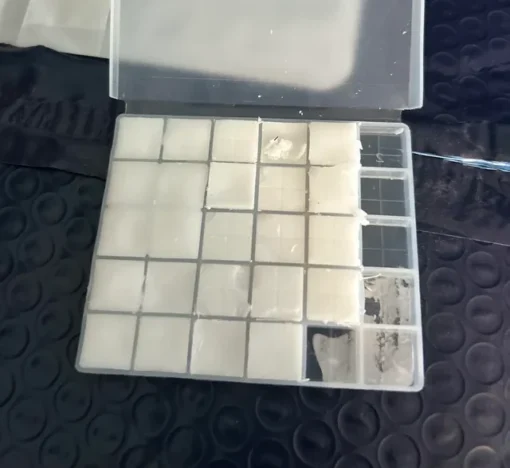
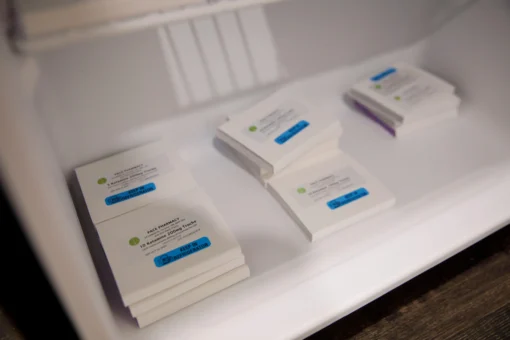
Ketamine Lozenges 1, sometimes referred to as ketamine troches, are a formulation of the medication ketamine designed to dissolve slowly in the mouth for absorption through the oral mucosa. In the United Kingdom, ketamine is a controlled Class B substance under the Misuse of Drugs Act 1971 and is also regulated as a prescription-only medicine. Any medical use must occur under the supervision of a qualified healthcare professional within a legal and clinical framework.
This educational overview explains what ketamine lozenges are, how they may be used in UK clinical contexts, their pharmacology, safety considerations, and the regulatory environment.
What Are Ketamine Lozenges?
Ketamine lozenges are small, medicated tablets designed to dissolve in the mouth rather than being swallowed whole. This delivery method allows part of the medication to be absorbed through the lining of the mouth (buccal or sublingual absorption), which can lead to different absorption characteristics compared with oral tablets.
In the UK, lozenges are typically compounded preparations, meaning they are specially prepared by a licensed pharmacy following a doctor’s prescription. They are not mass-market, over-the-counter products and are generally used only when deemed clinically appropriate.
Approved and Off-Label Medical Uses
In the UK, ketamine is licensed primarily as an anaesthetic agent used in surgery and emergency medicine. However, clinicians and specialist clinics may prescribe ketamine in carefully controlled settings for other indications.
1. Treatment-Resistant Depression (TRD)
Some UK specialist clinics explore ketamine therapy for individuals with severe depression that has not responded to conventional treatments. Research suggests ketamine may produce rapid antidepressant effects in certain patients. Lozenges are sometimes used as part of maintenance protocols following supervised treatments.
2. Chronic Pain Management
Ketamine has analgesic (pain-relieving) properties. In specialist pain clinics, it may be considered for conditions such as:
-
Neuropathic pain
-
Complex regional pain syndrome (CRPS)
-
Fibromyalgia (in limited cases)
Lozenge formulations may be used in ongoing management plans under strict supervision.
3. Palliative Care
In palliative care settings, ketamine may be prescribed for severe, refractory pain when other treatments are ineffective.
Important: Many of these uses are considered off-label and require specialist oversight, informed consent, and careful monitoring.
How Ketamine Works
Ketamine acts primarily as an NMDA receptor antagonist, affecting glutamate signalling in the brain. This mechanism is believed to contribute to:
-
Rapid antidepressant effects
-
Dissociative anaesthesia
-
Pain modulation
-
Neuroplasticity enhancement
Unlike traditional antidepressants, which may take weeks to work, ketamine’s effects can occur within hours in some patients, though the duration and long-term benefits vary.
Administration and Absorption
When used as a lozenge:
-
The lozenge is placed in the mouth and allowed to dissolve slowly.
-
Medication is absorbed through oral tissues and the digestive tract.
-
Effects may begin within 15–45 minutes, depending on dose and individual metabolism.
Because absorption can vary, dosing must be carefully determined by a healthcare provider.
Safety Considerations and Side Effects
Ketamine lozenges can produce side effects, particularly if used outside medical supervision.
Common Side Effects
-
Dizziness
-
Dissociation or altered perception
-
Nausea or vomiting
-
Increased blood pressure and heart rate
-
Drowsiness
Potential Risks
-
Psychological distress or hallucinations
-
Bladder toxicity with long-term misuse
-
Dependence or misuse potential
-
Impaired coordination and judgement
Patients receiving ketamine therapy in the UK are typically screened for contraindications, including uncontrolled hypertension, certain psychiatric conditions, or substance misuse history.
Legal and Regulatory Status in the UK
Ketamine is regulated under UK law:
-
Class B controlled drug under the Misuse of Drugs Act 1971
-
Schedule 2 drug under the Misuse of Drugs Regulations 2001
-
Prescription-only medicine (POM)
This means:
-
Possession without a prescription is illegal.
-
Supply is restricted to authorised medical professionals and pharmacies.
-
Record-keeping and storage requirements are strict.
Any online or non-regulated supply poses legal and safety risks.
Clinical Oversight and Patient Monitoring
In legitimate UK medical settings, ketamine therapy involves:
-
Comprehensive medical assessment
-
Informed consent
-
Supervised initial dosing
-
Ongoing monitoring for effectiveness and side effects
-
Integration with psychological or psychiatric care when relevant
This multidisciplinary approach helps ensure patient safety and therapeutic benefit.
Current Research and Future Directions
Research into ketamine’s psychiatric and pain-management applications continues in the UK and globally. Areas of ongoing study include:
-
Long-term safety and effectiveness
-
Optimal dosing strategies
-
Comparison with other rapid-acting antidepressants
-
Development of related medications such as esketamine
While promising, ketamine therapy remains a specialised treatment requiring further evidence and careful regulation.
Key Takeaways
-
Ketamine lozenges are a compounded formulation used in specialised medical contexts in the UK.
-
They may be prescribed for treatment-resistant depression, chronic pain, or palliative care under strict supervision.
-
Ketamine is a controlled drug with significant legal restrictions.
-
Professional oversight is essential to ensure safe and appropriate use.
Reviews
There are no reviews yet.